ISO 9001
ISO 14001
IATF16949
ISO 9001
ISO 14001
IATF16949
August 24, 2026
In the world of Die Casting Services, manufacturers often grapple with the challenge of cracks appearing in their cast parts. These flaws not only lead to product failure but can also affect overall production efficiency. Imagine a scenario where a critical component fails midway through assembly, leading to costly downtime and loss of reputation. Such pain points can be addressed effectively through understanding crack formation and implementing necessary preventive measures. In this article, we will explore the causes of cracks in die casting parts, their impacts, and actionable strategies to mitigate these challenges.
Cracks in die casting components can arise from multiple factors, including:
These issues can significantly impact your production process and increase scrap rates, ultimately causing delays. For instance, a study by the Journal of Materials Science showed that using inferior metal quality contributed to a 25% increase in cracks during casting.
To mitigate thermal stress, it is vital to control the cooling rate of the cast parts. According to industry experts, maintaining a uniform cooling rate can reduce the incidence of cracks by up to 40%. Techniques such as using controlled cooling channels can lead to more consistent temperatures, ensuring that the die casting process yields high-quality components.
Employing systematic practices can greatly reduce the potential for cracks. Below are some best practices:
The difference can be stark when comparing outcomes between those who implement industry-best practices versus those who don’t. A manufacturer implementing optimized die maintenance and high-quality metal saw a reduction in defect rates from 11% to 3%, highlighting the importance of these practices.
In the die casting industry, avoiding cracks is not just a technical challenge but a critical necessity for maintaining quality and efficiency. By focusing on high-quality materials, proper thermal management, and optimized processes, manufacturers can significantly reduce the risk of defects and ensure a successful production run. Implementing these strategies allows for increased reliability, lower scrap rates, and greater customer satisfaction.
For more insights into how effective die casting services can transform your manufacturing process, consider exploring solutions from Yuhui. Let us help you enhance your product quality and performance.
Common causes include thermal stress, poor metal quality, and high injection speeds.
Implement best practices such as using high-quality alloys, optimizing injection parameters, and maintaining equipment regularly.
Cracks can lead to increased scrap rates, production delays, and higher costs, significantly affecting overall efficiency and profitability.
Latest News
Aug. 24, 2026
Benefits of Aluminum Die Casting in Automotive Applications
Aluminum die casting is a highly effective method for producing automotive parts. This technique creates strong and lightweight components, which is crucial in the fast-paced automotive industry. Manufacturers are constantly looking for ways to reduce weight and improve fuel efficiency. Aluminum die casting delivers on both fronts. It offers better design flexibility and reduces production costs.
Read More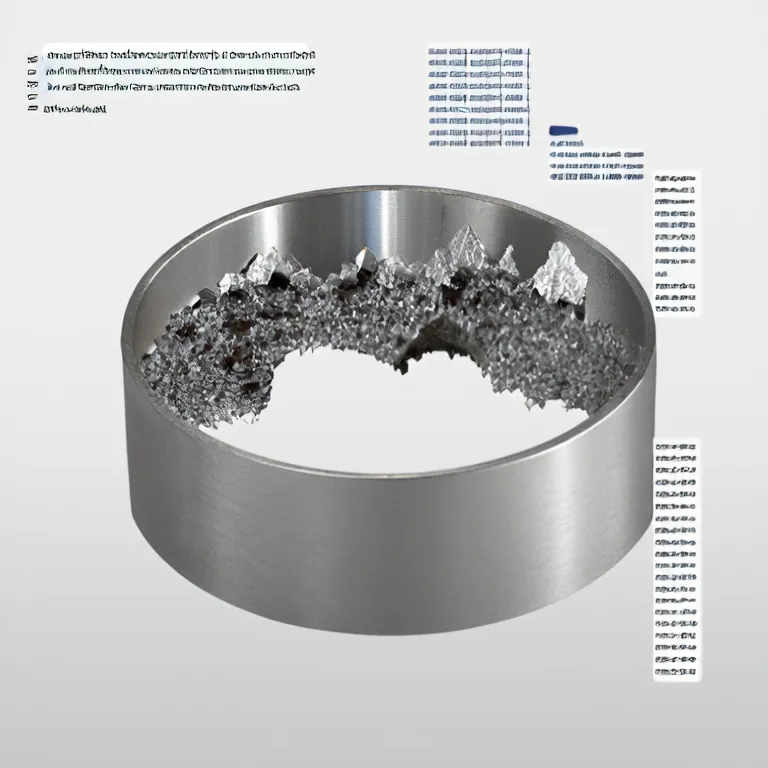
Aug. 24, 2026
Why Cracks Occur in Die Casting Parts and How to Avoid Them
In the world of Die Casting Services, manufacturers often grapple with the challenge of cracks appearing in their cast parts. These flaws not only lead to product failure but can also affect overall production efficiency. Imagine a scenario where a critical component fails midway through assembly, leading to costly downtime and loss of reputation. Such pain points can be addressed effectively
Read MoreSmall Molded Parts with in Days
Our complete CNC aluminum service will accompany your aluminum machining project from the prototype construction to the end aluminum parts manufacturing.
Get a Quote
Eight Processes

High-accuracy aluminum and zinc alloy parts produced with state-of-the-art die casting machines ranging from 88T to 2000T.
Read More
With machines from 88T to 2000T, we produce high-accuracy aluminum and zinc alloy parts efficiently.
Read More
Over 50 CNC machines, including 3-axis, 4-axis, and 5-axis, deliver precise and efficient machining for complex components.
Read More
A combination of manual and automated deburring techniques ensures smooth, defect-free surfaces for optimal performance.
Read More
Post-casting reshaping and alignment guarantee dimensional accuracy and structural integrity.
Read More
Comprehensive finishing solutions, including powder coating, spray painting, and UV coating, ensure superior durability and aesthetics.
Read More

Get in Touch
If you cannot find a suitable product, please leave a message or contact us. We have a dedicated technical team to serve you.