ISO 9001
ISO 14001
IATF16949
ISO 9001
ISO 14001
IATF16949
May 25, 2026
Die Casting Services have emerged as a pivotal manufacturing process in various industries, providing durability and precision in metalworking. Imagine the potential to create intricate parts with reduced production times. Companies adopting die casting manufacturing often face challenges like high production costs and complex designs, which can impede their growth. Addressing these pain points, die casting offers a reliable solution by producing high-quality, complex geometries with less material waste. With the market for die casting services projected to grow at a CAGR of 7.5% from 2020 to 2026, understanding how die casting works and its significance is crucial for any business in the modern landscape.
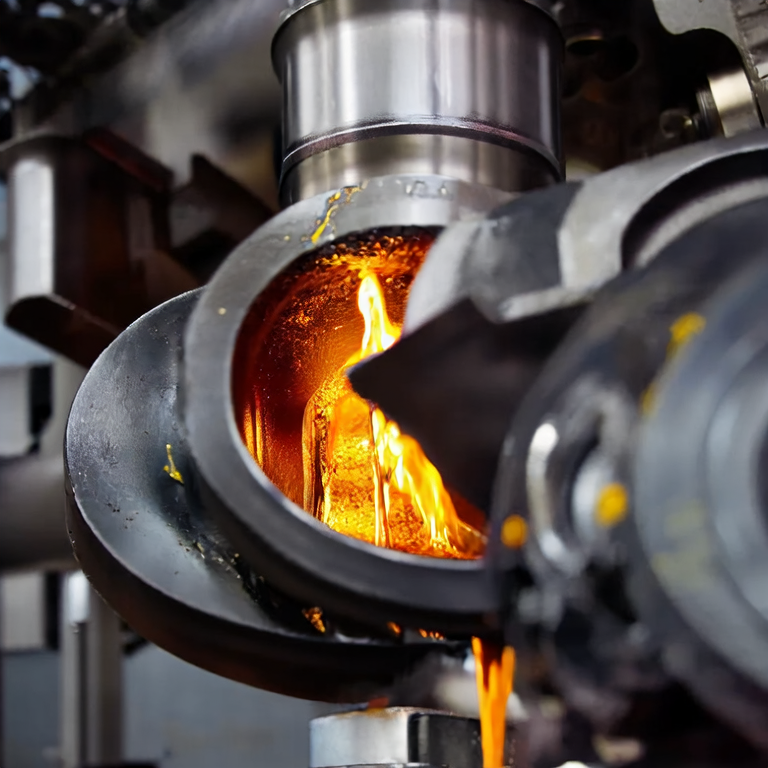
Die casting is a manufacturing process that involves forcing molten metal into a mold cavity under high pressure. This method is particularly effective for producing high volumes of metal components with intricate shapes and tight tolerances. According to a report from Smithers, die casting accounts for approximately 20% of the total manufacturing process for non-ferrous metal components. This statistic highlights its importance in metalworking.
Key industry terms associated with die casting include:
Die casting is widely utilized across various industries including:
By understanding the application scenarios of die casting services, companies can better align their production processes with market demands.
The advantages of die casting are manifold and contribute to its significance in modern manufacturing:
The criticality of these advantages cannot be understated in a competitive marketplace.
If you’re looking to integrate die casting services into your production line, it’s crucial to take actionable steps. Begin by reviewing the user guides specific to your industry’s requirements. Understanding the specifications and capabilities of different die casting manufacturers, such as Yuhui, can significantly influence your decision.
Q1: What is the primary material used in die casting?
A1: Aluminum is the most commonly used material in die casting due to its lightweight, strength, and corrosion resistance.
Q2: How long does it take to produce components using die casting?
A2: The cycle time can range from 10 to 30 seconds per part, depending on the complexity and size of the component.
Q3: Can die casting produce complex shapes?
A3: Yes, die casting is particularly effective for producing intricate shapes and detailed components.
Q4: What industries benefit most from die casting?
A4: Automotive, aerospace, consumer electronics, and lighting fixtures are some of the primary industries utilizing die casting services.
By gaining a deeper understanding of die casting services, you can make informed decisions that improve quality and efficiency in your manufacturing processes. Consider Yuhui for all die casting needs and take your production to the next level.
Latest News

Aug. 10, 2026
Quality Control in Die Casting: IATF 16949, ISO 9001 & Precision Inspection
Quality control in precision die casting combines the foundational process framework of ISO 9001 with the rigorous, defect-prevention mandates of IATF 16949.
Read More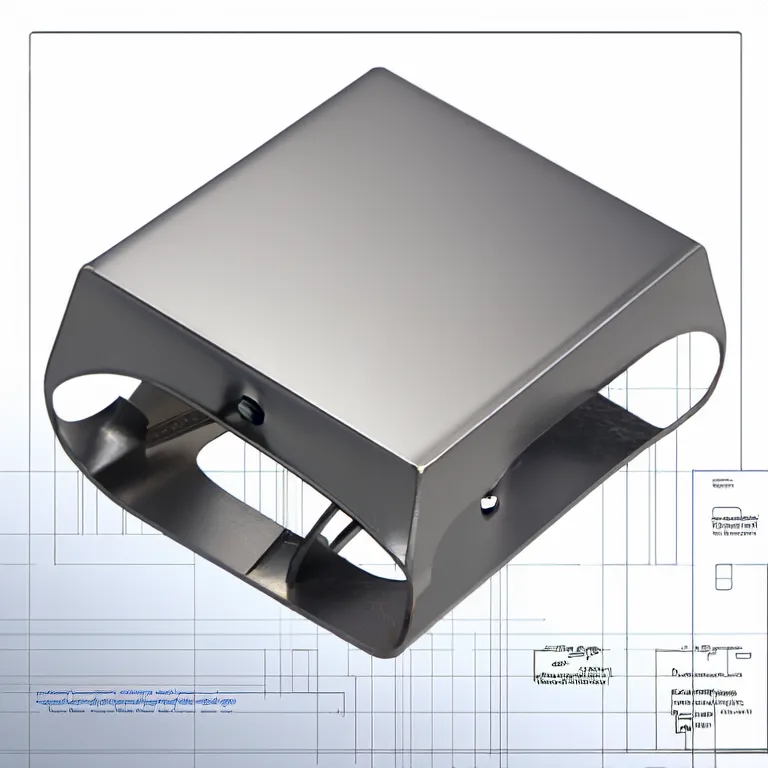
Aug. 10, 2026
Design Guidelines for Better Die Casting Results
Die casting is a widely-used manufacturing process in which molten metal is injected into a mold to create complex parts. To optimize outcomes, it is essential to adhere to specific design guidelines that enhance die casting results.
Read MoreSmall Molded Parts with in Days
Our complete CNC aluminum service will accompany your aluminum machining project from the prototype construction to the end aluminum parts manufacturing.
Get a Quote
Eight Processes

High-accuracy aluminum and zinc alloy parts produced with state-of-the-art die casting machines ranging from 88T to 2000T.
Read More
With machines from 88T to 2000T, we produce high-accuracy aluminum and zinc alloy parts efficiently.
Read More
Over 50 CNC machines, including 3-axis, 4-axis, and 5-axis, deliver precise and efficient machining for complex components.
Read More
A combination of manual and automated deburring techniques ensures smooth, defect-free surfaces for optimal performance.
Read More
Post-casting reshaping and alignment guarantee dimensional accuracy and structural integrity.
Read More
Comprehensive finishing solutions, including powder coating, spray painting, and UV coating, ensure superior durability and aesthetics.
Read More

Get in Touch
If you cannot find a suitable product, please leave a message or contact us. We have a dedicated technical team to serve you.