ISO 9001
ISO 14001
IATF16949
ISO 9001
ISO 14001
IATF16949
October 08, 2026
Die casting is a manufacturing process where molten metal is injected into a mold, allowing it to cool and solidify into a desired shape. This method is invaluable for businesses seeking high-precision components with intricate details. The value arises from its ability to produce parts accurately to tolerances as tight as 0.01mm, ensuring high-quality outputs that can meet stringent industry requirements. As a result, understanding the factors that influence die casting costs can significantly affect production efficiency and profitability.
The origins of die casting date back to the 1800s, evolving from manual techniques to highly automated processes in modern manufacturing. Historically, die casting predominantly utilized zinc and aluminum alloys, but today, a wide range of materials, including magnesium and copper, are commonly used. The industry has seen substantial advancements, including the establishment of rigorous standards like ASTM and DIN, which guarantee that components meet specific performance criteria.
Practically, die casting is used across various sectors, from automotive to electronics, owing to its ability to produce complex geometries swiftly and economically. The initial investment may be higher than other manufacturing processes, but the longevity and durability of the components produced lead to significant cost savings over time. Consequently, businesses can facilitate the production of lightweight yet robust products, making die casting essential in competitive markets.
Despite its significance, misconceptions about die casting persist. One common error is assuming that all die casting is identical regarding cost and output. In reality, the cost of die casting production can vary significantly based on several factors. These include the material selection, mold complexity, production volume, and finishing requirements. Furthermore, it is crucial to understand that while lower initial costs may seem appealing, they can lead to higher long-term expenses due to less efficient manufacturing practices or the need for additional quality control measures.
Case studies illustrate these points clearly. For instance, Yuhui, a leader in the die casting industry, successfully implemented a Precision Die Casting Solution for an automotive client. By selecting optimal materials and refining mold designs, Yuhui was able to reduce production costs by 30% while simultaneously enhancing product quality, meeting tight deadlines and achieving zero defects through a comprehensive 100% inspection process.
In summary, when considering the question, "What affects the cost of die casting production?", several key elements come into play — material choice, mold complexity, production scale, and finishing processes are paramount. By leveraging this knowledge, businesses can make informed decisions that not only control costs but also improve quality and efficiency in their manufacturing operations. Exploring precision die casting solutions can further enhance production processes and solidify a company’s position in the market.
For industry players looking to optimize their die casting strategies, understanding these factors is crucial. Take the first step today to elevate your production capabilities and explore the potential of Yuhui's precision die casting solutions tailored to meet your unique business needs.
Latest News
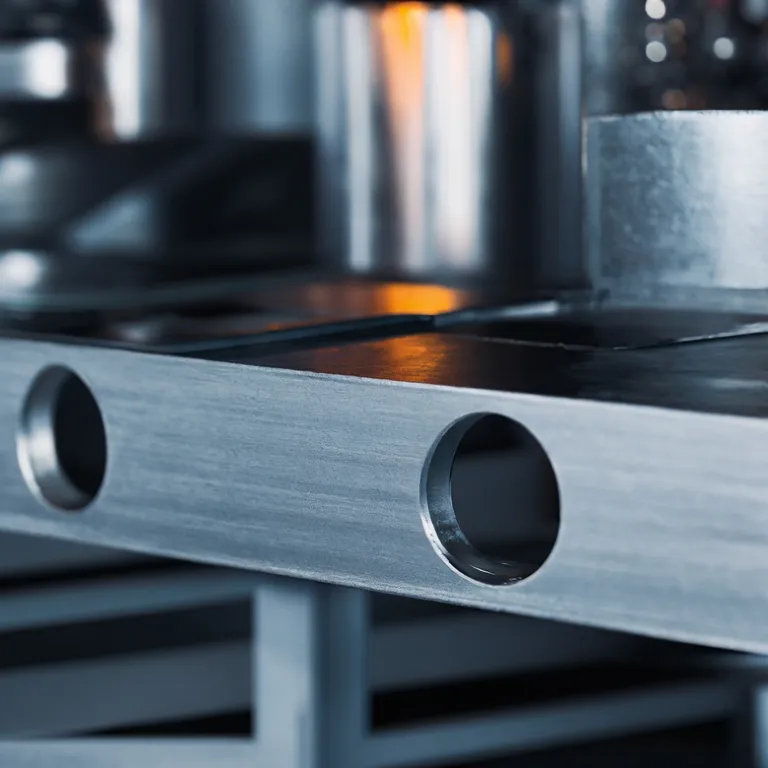
Oct. 08, 2026
What Affects the Cost of Die Casting Production
Die casting is a manufacturing process where molten metal is injected into a mold, allowing it to cool and solidify into a desired shape. This method is invaluable for businesses seeking high-precision components with intricate details. The value arises from its ability to produce parts accurately to tolerances as tight as 0.01mm, ensuring high-quality outputs that can meet stringent industry
Read More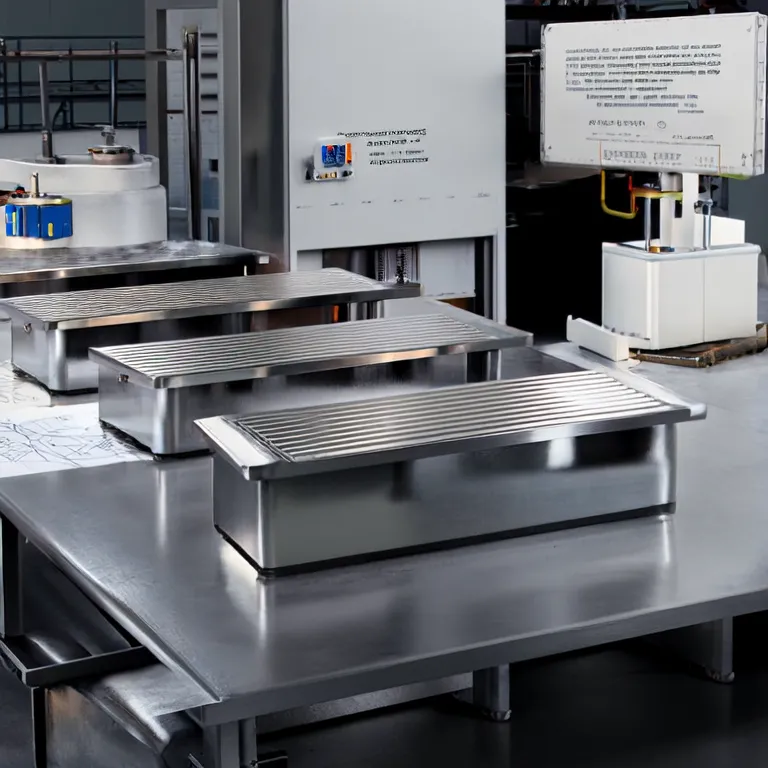
Sep. 16, 2026
How to Select a Reliable Die Casting Manufacturer
Start by defining the specifications of your project. Consider factors such as material type, dimensional accuracy, and production volume. This clarity will help you communicate effectively with potential manufacturers.
Read MoreSmall Molded Parts with in Days
Our complete CNC aluminum service will accompany your aluminum machining project from the prototype construction to the end aluminum parts manufacturing.
Get a Quote
Eight Processes

High-accuracy aluminum and zinc alloy parts produced with state-of-the-art die casting machines ranging from 88T to 2000T.
Read More
With machines from 88T to 2000T, we produce high-accuracy aluminum and zinc alloy parts efficiently.
Read More
Over 50 CNC machines, including 3-axis, 4-axis, and 5-axis, deliver precise and efficient machining for complex components.
Read More
A combination of manual and automated deburring techniques ensures smooth, defect-free surfaces for optimal performance.
Read More
Post-casting reshaping and alignment guarantee dimensional accuracy and structural integrity.
Read More
Comprehensive finishing solutions, including powder coating, spray painting, and UV coating, ensure superior durability and aesthetics.
Read More

Get in Touch
If you cannot find a suitable product, please leave a message or contact us. We have a dedicated technical team to serve you.