ISO 9001
ISO 14001
IATF16949
ISO 9001
ISO 14001
IATF16949
April 22, 2026
Medical device enclosures play a critical role in protecting sensitive electronic components, ensuring patient safety, and maintaining long-term device reliability. In applications such as diagnostic equipment, monitoring systems, imaging devices, and portable medical instruments, the enclosure is not just a protective shell—it is a precision-engineered structural component that must meet strict dimensional, mechanical, and hygiene requirements.
Precision die casting has become an increasingly important manufacturing method for producing high-quality medical device enclosures, particularly when using aluminum alloys.
Medical environments demand extremely high standards of accuracy and reliability. Enclosures must support:
Tight dimensional tolerances for accurate assembly
Stable structural integrity under repeated use
Compatibility with electronic shielding requirements
Smooth surfaces for easy cleaning and sterilization
Long-term durability in controlled or harsh environments
Even minor deviations can affect device performance, calibration accuracy, or regulatory compliance.
Precision die casting is a high-pressure metal forming process where molten aluminum or zinc alloy is injected into a steel mold to create highly detailed and repeatable parts.
For medical device enclosures, this process offers several key benefits:
Precision tooling enables consistent production of complex geometries with tight tolerances, reducing the need for extensive post-machining.
Die-cast surfaces can be finished to a high standard, making them suitable for painting, powder coating, or anodizing to meet medical-grade aesthetic and hygiene requirements.
Aluminum die casting provides a high strength-to-weight ratio, ensuring durable yet lightweight enclosures for portable or handheld medical devices.
Metal enclosures naturally provide EMI/RFI shielding, which is critical for protecting sensitive medical electronics from interference.
Once tooling is developed, die casting allows efficient large-scale production with stable quality and reduced per-unit cost.
Medical device enclosures typically use aluminum alloys due to their performance balance:
ADC12 – Excellent castability and dimensional stability
A380 – Good mechanical strength and thermal performance
Al-Si alloys – Enhanced corrosion resistance and durability
These materials are widely used in applications requiring both precision and reliability.
A typical precision die casting workflow for medical enclosures includes:
DFM (Design for Manufacturability)
Optimization of geometry for casting efficiency and structural performance
Mold Design and Fabrication
High-precision steel tooling ensures repeatable accuracy
High-Pressure Die Casting
Rapid injection of molten alloy into the mold cavity
Trimming and Deburring
Removal of excess material and surface refinement
CNC Machining (if required)
Achieving critical dimensions for assembly interfaces
Surface Treatment
Options include powder coating, anodizing, or antimicrobial coatings
Quality Inspection
Includes dimensional inspection, leak testing, and sometimes X-ray analysis
Medical device components often require strict compliance with industry standards such as:
ISO 13485 quality management systems
Material traceability requirements
Clean manufacturing environments
Consistent batch-to-batch validation
Manufacturers must ensure full documentation and process control to support regulatory approval of final medical products.
Precision die cast enclosures are widely used in:
Patient monitoring devices
Diagnostic imaging equipment
Portable medical analyzers
Surgical assistance systems
Laboratory instruments
These applications demand a combination of precision, durability, and aesthetic quality.
Precision die casting provides an ideal solution for manufacturing medical device enclosures, combining high accuracy, structural strength, and scalable production efficiency. As medical technology continues to evolve toward miniaturization and portability, die casting remains a key enabling process for delivering reliable and high-performance enclosure solutions.
Latest News

Aug. 10, 2026
Quality Control in Die Casting: IATF 16949, ISO 9001 & Precision Inspection
Quality control in precision die casting combines the foundational process framework of ISO 9001 with the rigorous, defect-prevention mandates of IATF 16949.
Read More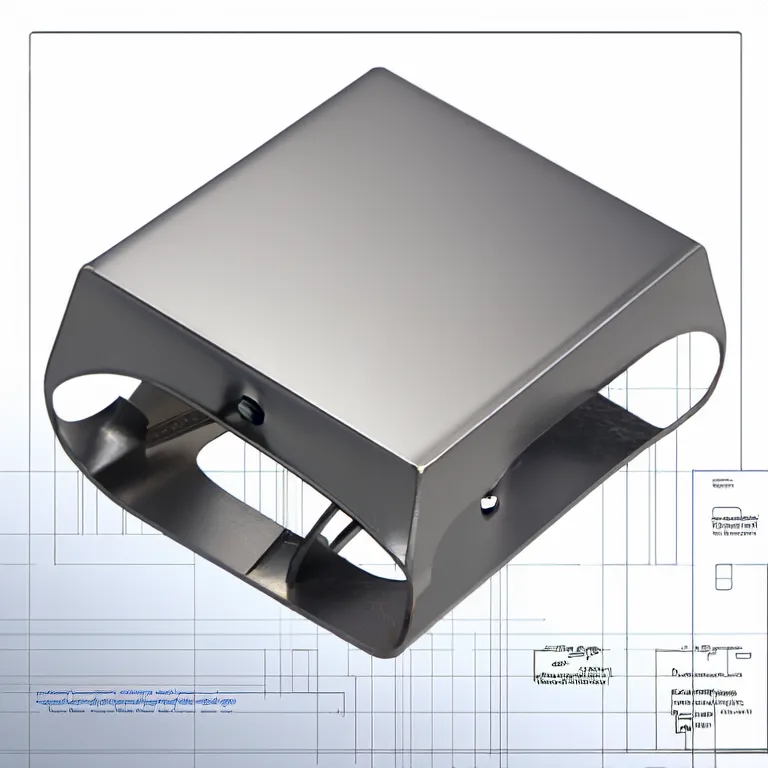
Aug. 10, 2026
Design Guidelines for Better Die Casting Results
Die casting is a widely-used manufacturing process in which molten metal is injected into a mold to create complex parts. To optimize outcomes, it is essential to adhere to specific design guidelines that enhance die casting results.
Read MoreSmall Molded Parts with in Days
Our complete CNC aluminum service will accompany your aluminum machining project from the prototype construction to the end aluminum parts manufacturing.
Get a Quote
Eight Processes

High-accuracy aluminum and zinc alloy parts produced with state-of-the-art die casting machines ranging from 88T to 2000T.
Read More
With machines from 88T to 2000T, we produce high-accuracy aluminum and zinc alloy parts efficiently.
Read More
Over 50 CNC machines, including 3-axis, 4-axis, and 5-axis, deliver precise and efficient machining for complex components.
Read More
A combination of manual and automated deburring techniques ensures smooth, defect-free surfaces for optimal performance.
Read More
Post-casting reshaping and alignment guarantee dimensional accuracy and structural integrity.
Read More
Comprehensive finishing solutions, including powder coating, spray painting, and UV coating, ensure superior durability and aesthetics.
Read More

Get in Touch
If you cannot find a suitable product, please leave a message or contact us. We have a dedicated technical team to serve you.