ISO 9001
ISO 14001
IATF16949
ISO 9001
ISO 14001
IATF16949

Aug. 10, 2026
Quality Control in Die Casting: IATF 16949, ISO 9001 & Precision Inspection
Quality control in precision die casting combines the foundational process framework of ISO 9001 with the rigorous, defect-prevention mandates of IATF 16949.
Read More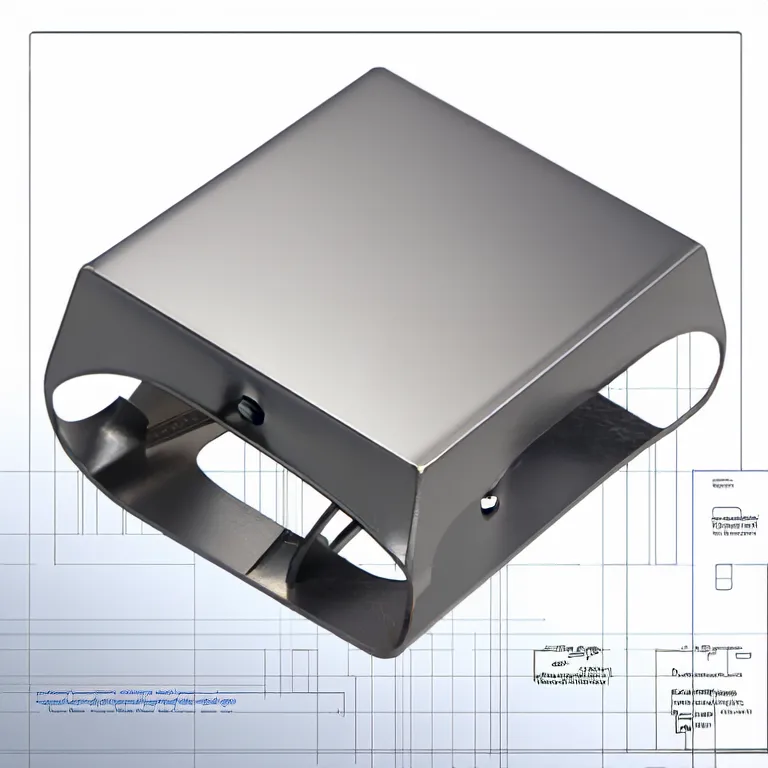
Aug. 10, 2026
Design Guidelines for Better Die Casting Results
Die casting is a widely-used manufacturing process in which molten metal is injected into a mold to create complex parts. To optimize outcomes, it is essential to adhere to specific design guidelines that enhance die casting results.
Read More
Aug. 07, 2026
How to Improve Surface Quality in Die Casting Production?
When it comes to die casting production, achieving exceptional surface quality is crucial for enhancing product durability and customer satisfaction. I\'m here to share with you actionable steps that can elevate your surface quality to new heights, with clear methods that ensure a simple and efficient process.
Read More
Aug. 06, 2026
What Causes Porosity in Die Cast Parts?
Porosity in die cast parts refers to the presence of small holes or voids within the metal structure. This phenomenon occurs during the manufacturing process, particularly in rapid die casting.
Read More
Jul. 24, 2026
Aluminum Die Casting for New Energy Vehicles
Electric vehicles face a fundamental physics challenge that internal combustion vehicles do not. Battery packs add 300-500 kg to curb weight, directly consuming range. The arithmetic is unambiguous: every 10% reduction in vehicle weight yields a 6-8% improvement in EV driving range.
Read More
Jul. 20, 2026
Common Defects in Die Casting and How They Are Solved
Die casting can produce various defects that can affect the quality of the finished product. Some common types include:
Read More
Jul. 16, 2026
High Pressure Die Casting vs Gravity Casting: Which Process Is Better?
Choosing the right casting process directly affects production cost, lead time, part quality, and long-term profitability. Two of the most common permanent mold casting methods are High Pressure Die Casting (HPDC) and Gravity Casting (Permanent Mold Casting).
Read More
Jul. 03, 2026
Die Casting and Injection Molding Key Differences
Die casting and injection molding are two popular manufacturing processes used to create metal and plastic parts. Each method has its benefits and drawbacks. Understanding the differences between die casting and injection molding can help companies choose the right solution for their products. Both processes involve melting materials and forming them into desired shapes. The precision die casting
Read MoreEight Processes

High-accuracy aluminum and zinc alloy parts produced with state-of-the-art die casting machines ranging from 88T to 2000T.
Read More
With machines from 88T to 2000T, we produce high-accuracy aluminum and zinc alloy parts efficiently.
Read More
Over 50 CNC machines, including 3-axis, 4-axis, and 5-axis, deliver precise and efficient machining for complex components.
Read More
A combination of manual and automated deburring techniques ensures smooth, defect-free surfaces for optimal performance.
Read More
Post-casting reshaping and alignment guarantee dimensional accuracy and structural integrity.
Read More
Comprehensive finishing solutions, including powder coating, spray painting, and UV coating, ensure superior durability and aesthetics.
Read More

Get in Touch
If you cannot find a suitable product, please leave a message or contact us. We have a dedicated technical team to serve you.