ISO 9001
ISO 14001
IATF16949
ISO 9001
ISO 14001
IATF16949
December 09, 2025
A mold is essentially a negative-space replica of an original object (the “master” or “pattern”). When filled with a casting material (metal, resin, plaster, etc.), the mold yields a cast — a reproduced duplicate of the master.
Molds allow you to efficiently create many identical parts from one master, whether for prototypes, custom parts, art pieces, or industrial components. Because molds define the shape, surface detail, and repeatability of your parts, making the mold correctly is as — or more — important than the casting itself.
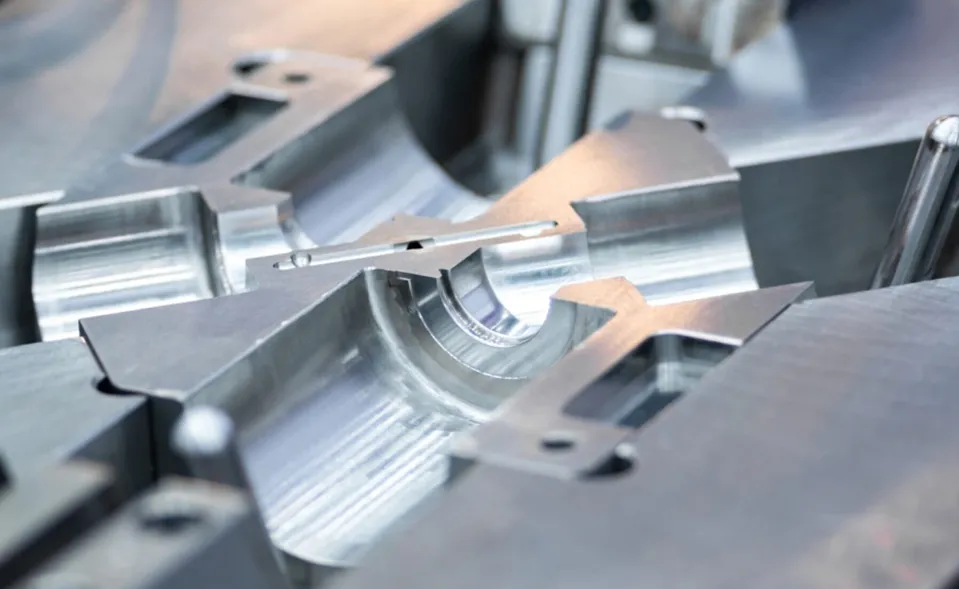
Professional mold-making offers several mold types, each suited for different shapes, materials, and use cases.
One-part pour mold (block mold): A simple mold with only one cavity side — good for masters with flat backs and no undercuts.
Two-part pour mold: Mold split into two halves, with a runner/gate to pour the casting material. Useful for 3D forms with more complexity.
Brush-on (silicone) molds: For complex geometries or models with undercuts, thin silicone (or rubber) layers are brushed onto the master, then encased in a rigid “mother mold.” Allows flexibility when removing the casting.
Glove molds / Multi-part brush molds: For very intricate shapes — multiple mold parts may be needed to free complex geometry without damaging either mold or casting.
Choosing the right mold type depends heavily on the complexity of the master (undercuts? size? detail?), the casting material, and whether you want a reusable mold.
Here’s a practical workflow — whether you plan to cast resin, plastic, or metal.
Ensure the master object is clean, dry, and free of dust, oils, or debris. For porous materials (wood, plaster, 3D-prints, etc.), apply a sealant or primer to avoid absorption or silicone seeping in.
Inspect the shape: note any undercuts, overhangs, or features that might complicate demolding. This informs what type of mold you need.
For pour molds or silicone molds, you’ll usually need a box or walls around the master to hold the mold material.
Seal the mold box to the base (chipboard, wood, plastic, etc.) using hot glue, modeling clay (sulfur-free is recommended), or double-stick tape to prevent leakage when pouring.
If using pour-type mold (plaster, resin, etc.):
Pour the material carefully into the box, ensuring it flows evenly and avoids air bubbles.
If using silicone (brush-on) mold:
Mix silicone base and curing agent precisely. Even small mix-ratio errors can cause incomplete curing.
Stir slowly, scraping container edges, until fully homogeneous to avoid streaks or uncured spots.
Pour silicone as a thin, continuous stream from high above to help air escape and minimize trapped bubbles.
Allow full cure time as specified — often several hours to overnight depending on silicone. Do not rush; undercured molds yield poor results.
After curing, remove the mold box walls carefully.
Gently flex or peel the mold away from the master; begin from corners to reduce stress on delicate parts.
If you used a two-part mold, separate the halves carefully.
At this point, you should have a clean, negative-space mold ready for casting.
Once the mold is ready, the next stage is casting. The exact steps depend on the material you use (resin, silicone, metal, etc.), but some general best practices apply:
Ensure the mold is fully dry and cured before casting — residual moisture or uncured surfaces can trigger defects, bubbles, or poor surface finish.
Use proper safety gear when working with molten metal: heat-resistant gloves, face shield or goggles, protective clothing, work in ventilated areas, and have a fire extinguisher nearby.
Pour molten metal (or liquid casting medium) steadily; avoid splashing or turbulence, which can trap air and cause porosity or defects.
Allow sufficient controlled cooling; avoid rapid cooling which may cause stress cracks or warping, especially in metal casting.
Extract the casting carefully: for single-use molds (e.g., sand or plaster), break away the mold; for reusable molds (e.g., silicone), gently flex and remove.
Finally: finish — remove sprues/risers, grind or file excess material, polish or coat as required.
Air bubbles / voids: Pour slowly from height; degas silicone if possible; tap or vibrate gently to dislodge bubbles before curing.
Incomplete cure or sticky mold: Often from incorrect mixing ratios or insufficient curing time — always weigh components precisely, mix thoroughly, and respect full cure time.
Poor surface detail / imprinting master flaws: The mold duplicates everything — scratches, fingerprints, dust. So your master must be perfectly prepared and clean.
Difficulty demolding complex shapes: Undercuts, intricate geometry, or thin features may tear or get trapped. Use flexible materials (silicone), multi-part molds, or plan parting lines/vents carefully.
Casting defects (in metal): Porosity, shrinkage, or cracks — often due to trapped gas, improper pouring, rapid cooling, or poor mold design/venting.
If you’re aiming for production-quality molds (for manufacturing, industrial parts, or repeatable prototypes), consider these professional aspects:
Precision in mold design and pattern-making: Good molds start with well-designed masters or CAD-based patterns, sometimes corrected for shrinkage or tolerances.
Quality control & repeatability: Use certified processes, proper material data sheets, controlled mixing and curing, and testing of molds before mass casting.
Appropriate mold materials & tooling: For metal parts, molds may need to be rigid, heat-resistant, and durable; for resin or plastics, flexible molds may be appropriate. Additional tooling such as flasks, vents, gating, and surface treatments may be necessary.
Documentation & process tracking: Professionals often log details — material batches, mix ratios, curing times, casting temperatures — to replicate results reliably or troubleshoot problems.
Mold-making is both an art and a science: a well-made mold is the foundation of high-quality casting. Whether you’re casting resin for art, plastic for prototypes, or metal for industrial parts — understanding mold types, mastering mixing and curing, paying attention to detail, and following safe, disciplined processes can elevate your work from DIY to professional standard.
Latest News

Aug. 10, 2026
Quality Control in Die Casting: IATF 16949, ISO 9001 & Precision Inspection
Quality control in precision die casting combines the foundational process framework of ISO 9001 with the rigorous, defect-prevention mandates of IATF 16949.
Read More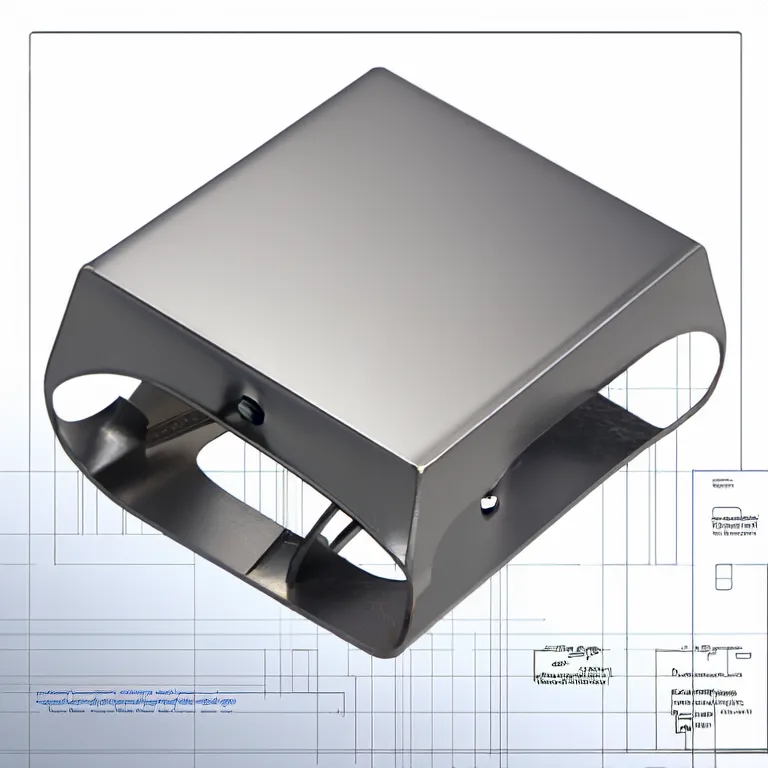
Aug. 10, 2026
Design Guidelines for Better Die Casting Results
Die casting is a widely-used manufacturing process in which molten metal is injected into a mold to create complex parts. To optimize outcomes, it is essential to adhere to specific design guidelines that enhance die casting results.
Read MoreSmall Molded Parts with in Days
Our complete CNC aluminum service will accompany your aluminum machining project from the prototype construction to the end aluminum parts manufacturing.
Get a Quote
Eight Processes

High-accuracy aluminum and zinc alloy parts produced with state-of-the-art die casting machines ranging from 88T to 2000T.
Read More
With machines from 88T to 2000T, we produce high-accuracy aluminum and zinc alloy parts efficiently.
Read More
Over 50 CNC machines, including 3-axis, 4-axis, and 5-axis, deliver precise and efficient machining for complex components.
Read More
A combination of manual and automated deburring techniques ensures smooth, defect-free surfaces for optimal performance.
Read More
Post-casting reshaping and alignment guarantee dimensional accuracy and structural integrity.
Read More
Comprehensive finishing solutions, including powder coating, spray painting, and UV coating, ensure superior durability and aesthetics.
Read More

Get in Touch
If you cannot find a suitable product, please leave a message or contact us. We have a dedicated technical team to serve you.