ISO 9001
ISO 14001
IATF16949
ISO 9001
ISO 14001
IATF16949
October 12, 2026
Navigating the complexities of die casting mold costs and lead times can be daunting for many businesses. In this guide, I will walk you through actionable steps to accurately determine these essential factors, ensuring that you can make informed decisions that positively impact your production processes. By employing these methods, you can streamline your operations, optimize your budget, and achieve significant efficiency improvements in your die casting projects.
The first step in managing die casting mold costs is to evaluate the various components that contribute to the overall expense. The following are key factors that significantly impact costs:
Material Selection: The choice of aluminum, zinc, or magnesium alloys can vary tremendously in price. Precision die casting solutions typically require high-grade materials, which may increase initial costs but reduce long-term production problems.
Complexity of the Design: Die molds for simpler shapes will naturally cost less than those requiring intricate designs and detailed features. Complex geometries often demand more advanced machining and more extensive labor.
Production Volume: Economies of scale come into play as higher production quantities can spread fixed costs, such as mold design and fabrication, over a larger number of units, effectively lowering per-unit costs.
Tooling and Machining Costs: Precision die casting requires high-precision machining to ensure tolerances of 0.01mm. Advanced technologies and experienced toolmakers are essential but come at a premium.
Testing and Compliance: Ensuring the mold meets standards such as ASTM or DIN certification involves rigorous testing, which can add to costs. Full inspection of molds and components guarantees quality but also increases initial outlay.
Understanding lead times is crucial for scheduling production and meeting delivery commitments. The major factors influencing lead times include:
Mold Complexity and Size: Larger and more complex molds take longer to manufacture. Depending on your specifications, you may need to adjust your timeline accordingly.
Machinery Availability: The availability of high-pressure die casting machines can impact lead times. Check with providers like Yuhui to understand typical processing times.
Thermal Treatment and Finishing Processes: Additional steps such as thermal treatment or surface finishing can extend lead times. Outlining these processes early can help set realistic expectations.
Supplier Communication: Maintaining a transparent line of communication with your die casting supplier is essential for managing both costs and timelines. Regular updates can prevent misalignment and ensure adherence to schedules.
Production Volume: As with costs, higher volumes can reduce lead times per unit due to more efficient batch processing.
While implementing the above approaches can streamline your die casting operations, challenges may arise. Here’s how to overcome them:
Supplier Reliability: Ensuring you're partnering with a reputable supplier like Yuhui, known for strict quality controls and adherence to inspection standards, mitigates risks associated with delays and mold failures.
Design Adjustments: If cost or time becomes a concern, consider simplifying your design. However, weigh the benefits of a more straightforward design against operational needs. Collaborating with an experienced design team can yield innovative solutions.
Budget Constraints: If high-precision molds exceed your budget, consider phased projects. Focus on critical components first and gradually expand your offerings based on market demand.
To enhance your execution efficiency, consider utilizing the following tools:
Project Management Software: Tools like Trello or Asana can help in tracking progress and managing timelines effectively.
CAD Software: Employ Computer-Aided Design (CAD) tools to visualize and modifying mold designs upfront, preventing costly alterations later in the process.
Cost Analysis Tools: Use specialized estimating software to assess potential costs accurately before proceeding with development.
Assess Your Design Needs: Evaluate your current designs and determine if they can be simplified for cost-effectiveness.
Engage a Reliable Supplier: Connect with Yuhui for quotes and timelines to get a clearer picture of your mold production possibilities.
Implement Project Management Tools: Set up your project management system to keep your team aligned on deadlines and responsibilities.
Continuously Review Costs and Timelines: Monitor your production processes regularly, adjusting plans as necessary to stay on track.
By following these steps to understand and manage die casting mold costs and lead times, you'll empower your business to operate efficiently while ensuring quality production. This proactive approach not only addresses common challenges but positions your organization for success in a competitive marketplace. Take the leap today, and optimize your die casting processes with Yuhui.
Latest News
Oct. 12, 2026
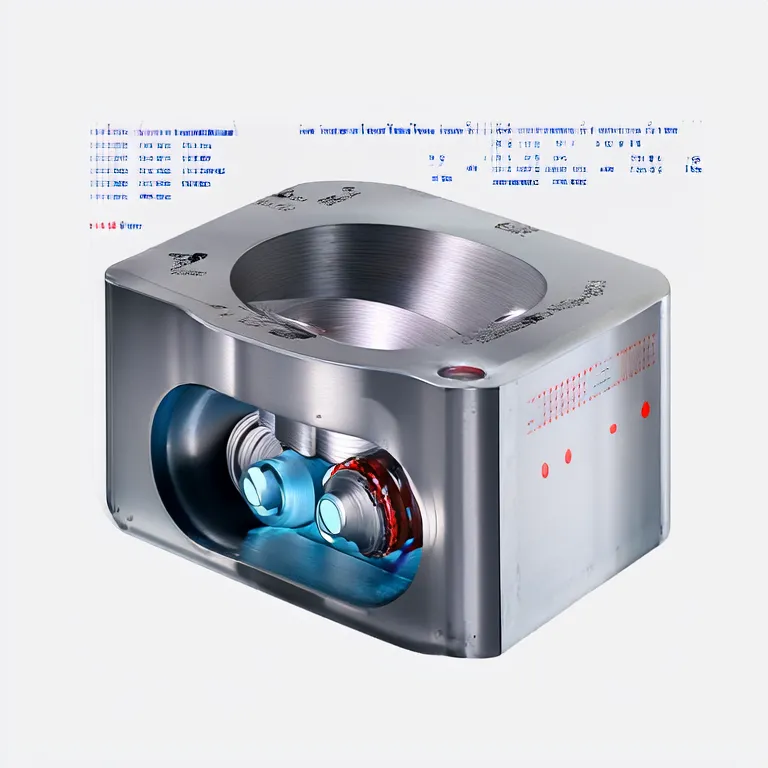
How Die Casting Mold Costs and Lead Times Are Determined
Navigating the complexities of die casting mold costs and lead times can be daunting for many businesses. In this guide, I will walk you through actionable steps to accurately determine these essential factors, ensuring that you can make informed decisions that positively impact your production processes. By employing these methods, you can streamline your operations, optimize your budget, and
Read More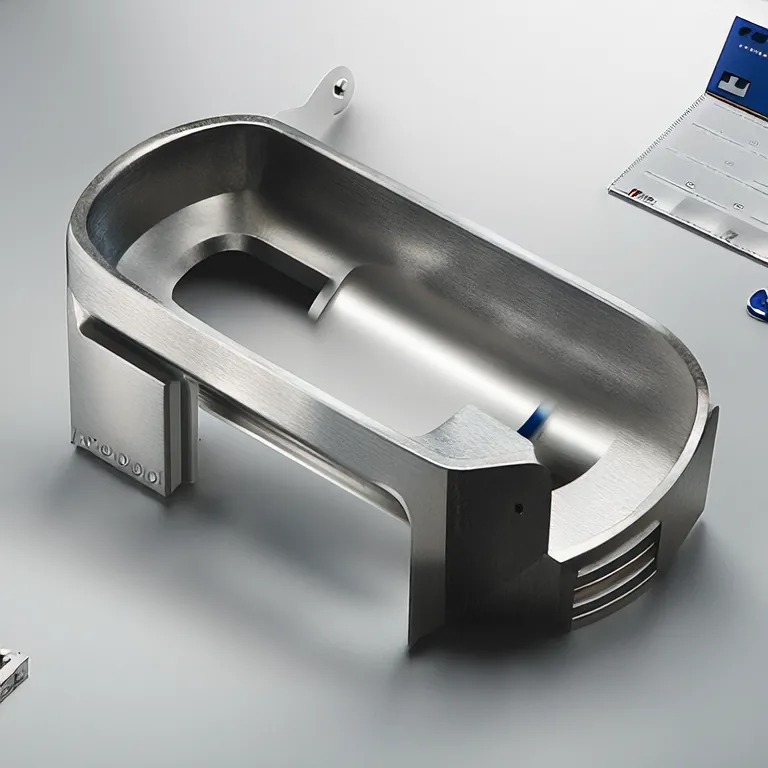
Oct. 09, 2026
What OEM Die Casting Services Include for Buyers
In today's fast-paced manufacturing environment, die casting services have emerged as a crucial technology, offering efficiency and precision. As an advanced manufacturing process, die casting allows for the rapid production of complex metal components with remarkable accuracy. Manufacturers are constantly seeking solutions to produce high-quality parts that reduce costs and improve
Read MoreSmall Molded Parts with in Days
Our complete CNC aluminum service will accompany your aluminum machining project from the prototype construction to the end aluminum parts manufacturing.
Get a Quote
Eight Processes

High-accuracy aluminum and zinc alloy parts produced with state-of-the-art die casting machines ranging from 88T to 2000T.
Read More
With machines from 88T to 2000T, we produce high-accuracy aluminum and zinc alloy parts efficiently.
Read More
Over 50 CNC machines, including 3-axis, 4-axis, and 5-axis, deliver precise and efficient machining for complex components.
Read More
A combination of manual and automated deburring techniques ensures smooth, defect-free surfaces for optimal performance.
Read More
Post-casting reshaping and alignment guarantee dimensional accuracy and structural integrity.
Read More
Comprehensive finishing solutions, including powder coating, spray painting, and UV coating, ensure superior durability and aesthetics.
Read More

Get in Touch
If you cannot find a suitable product, please leave a message or contact us. We have a dedicated technical team to serve you.