ISO 9001
ISO 14001
IATF16949
ISO 9001
ISO 14001
IATF16949
December 22, 2025
Die casting is a metal casting process in which molten metal is forced under high pressure into a mold cavity, known as a die. The die is usually made of hardened steel and designed to produce precise, complex shapes with smooth surfaces.
Send us your drawing, alloy, dimensions and expected production volume. Our team can review whether die casting is suitable and provide a manufacturing quotation.
Evaluate My Die Casting PartDie casting is widely used in industries like automotive, aerospace, electronics, and consumer products because it enables the production of high-volume, high-precision parts efficiently.

The die casting process generally follows these steps:
Die Preparation
The steel die is cleaned, lubricated, and heated to the optimal temperature. Lubricants prevent sticking and help in easy removal of the casting.
Melting the Metal
Metals like aluminum, zinc, magnesium, and copper are melted in a furnace to reach a precise temperature suitable for die casting.
Injection into the Die
The molten metal is injected into the die cavity under high pressure using a plunger or piston. High pressure ensures the molten metal fills every corner of the mold, capturing fine details.
Cooling and Solidification
The metal solidifies quickly inside the die. Cooling channels in the die help maintain uniform temperature and reduce cycle time.
Ejection
Once solidified, the die opens, and the cast part is ejected using pins or mechanical systems.
Trimming and Finishing
Excess metal (flash) is removed, and secondary processes like machining, polishing, or coating may be performed to achieve the final specifications.
Die casting is generally classified into two main types based on the injection method:
Hot Chamber Die Casting
In hot chamber machines, the injection mechanism is immersed in molten metal.
Ideal for low-melting-point metals such as zinc, magnesium, and lead.
Faster cycle times, but not suitable for metals with high melting points.
Cold Chamber Die Casting
In cold chamber machines, molten metal is poured into a separate chamber and then injected into the die.
Suitable for high-melting-point metals like aluminum and copper alloys.
Slower cycle time but allows for stronger and larger parts.
Die casting offers several advantages that make it a preferred manufacturing method:
High Precision and Accuracy
Die casting produces parts with tight tolerances and intricate shapes that are difficult to achieve with other methods.
Smooth Surface Finish
The process yields smooth surfaces, reducing the need for extensive post-processing.
High Production Efficiency
Ideal for mass production as cycle times are short, and automated machines can operate continuously.
Material Strength
High-pressure injection and rapid cooling produce dense, strong components.
Versatility
Suitable for a variety of metals and alloys, including aluminum, zinc, magnesium, and copper.
Cost-Effective for Large Volumes
Although initial die costs are high, the cost per part decreases significantly with high production volumes.
Die casting is widely used in:
Automotive industry: Engine blocks, gearbox housings, and chassis components.
Electronics: Housings for connectors, heat sinks, and computer parts.
Consumer products: Appliances, toys, and hardware.
Industrial machinery: Pump housings, valves, and mechanical components.
Die casting is a versatile and efficient metal casting process ideal for producing high-volume, high-precision parts. With its ability to deliver strength, accuracy, and excellent surface finish, die casting remains a critical method in modern manufacturing industries.
Latest News

Aug. 10, 2026
Quality Control in Die Casting: IATF 16949, ISO 9001 & Precision Inspection
Quality control in precision die casting combines the foundational process framework of ISO 9001 with the rigorous, defect-prevention mandates of IATF 16949.
Read More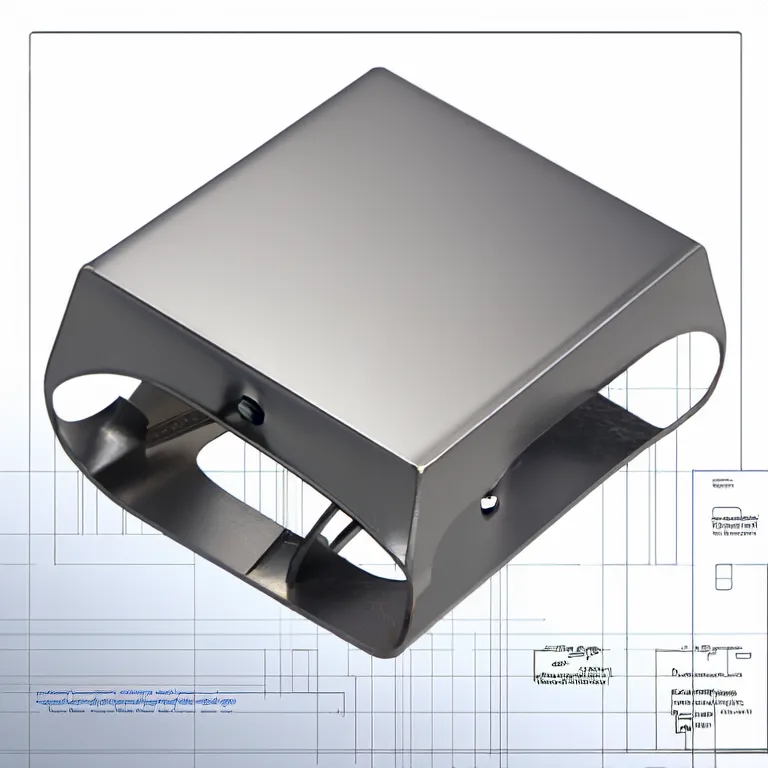
Aug. 10, 2026
Design Guidelines for Better Die Casting Results
Die casting is a widely-used manufacturing process in which molten metal is injected into a mold to create complex parts. To optimize outcomes, it is essential to adhere to specific design guidelines that enhance die casting results.
Read MoreSmall Molded Parts with in Days
Our complete CNC aluminum service will accompany your aluminum machining project from the prototype construction to the end aluminum parts manufacturing.
Get a Quote
Eight Processes

High-accuracy aluminum and zinc alloy parts produced with state-of-the-art die casting machines ranging from 88T to 2000T.
Read More
With machines from 88T to 2000T, we produce high-accuracy aluminum and zinc alloy parts efficiently.
Read More
Over 50 CNC machines, including 3-axis, 4-axis, and 5-axis, deliver precise and efficient machining for complex components.
Read More
A combination of manual and automated deburring techniques ensures smooth, defect-free surfaces for optimal performance.
Read More
Post-casting reshaping and alignment guarantee dimensional accuracy and structural integrity.
Read More
Comprehensive finishing solutions, including powder coating, spray painting, and UV coating, ensure superior durability and aesthetics.
Read More

Get in Touch
If you cannot find a suitable product, please leave a message or contact us. We have a dedicated technical team to serve you.